
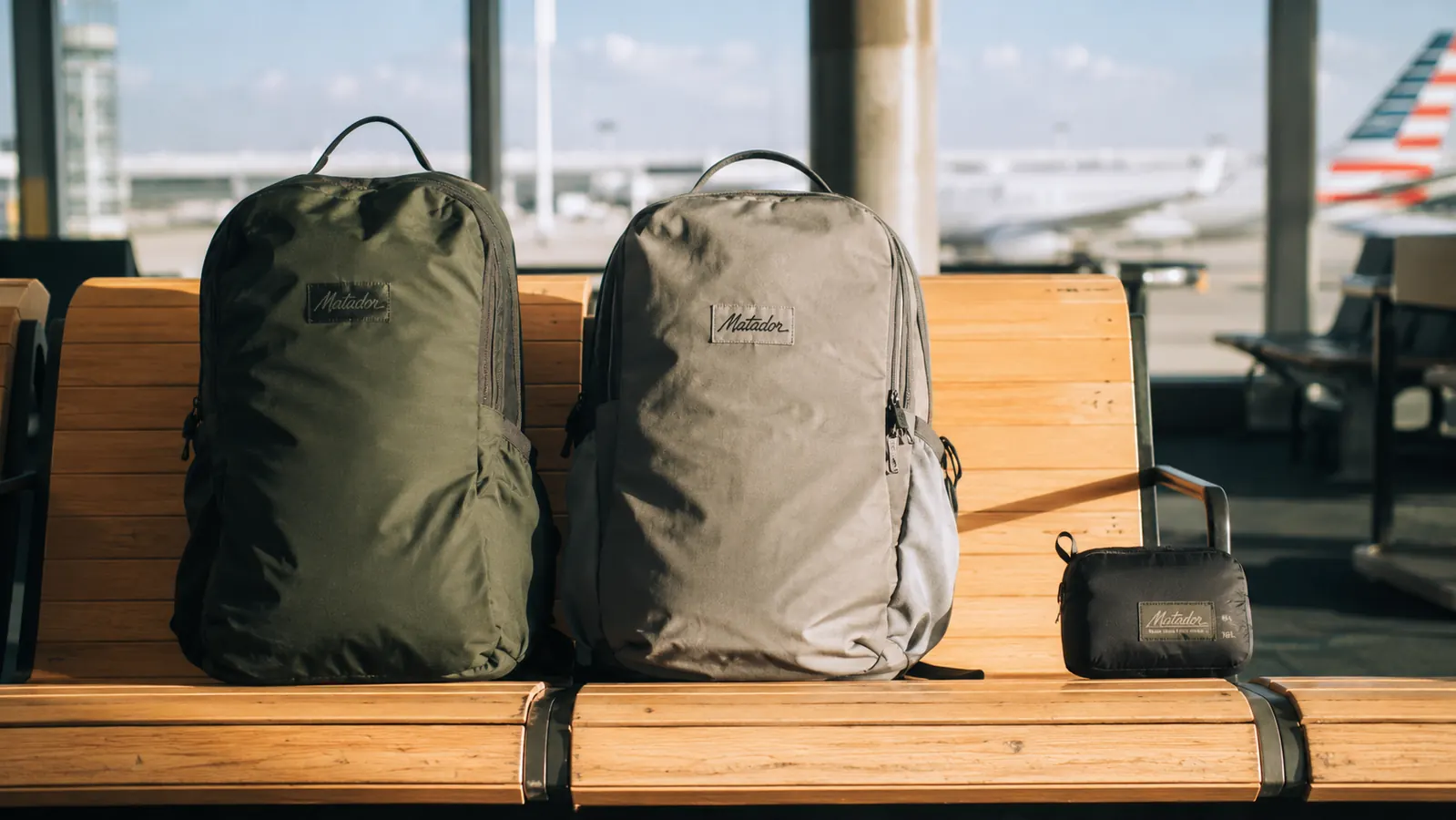
Here is the situation I keep running into. You land somewhere, check into your hotel, and suddenly need a bag for the rest of the day. Your main carry-on is too big to haul around a museum or a market, and you do not want to leave your good things unattended. A packable daypack solves this in about four seconds, because it lives folded at the bottom of your luggage until you need it. The question is which one you actually want stuffed in there when the moment comes.
The ZOMAKE 20L Ultra Lightweight and the Osprey Daylite are the two names I hear most often in this category. They serve the same basic purpose, they are both packable, and they both work. But after carrying each of them through a handful of trips, including a 14-hour layover in Amsterdam and a full week in Lisbon, I can tell you they are aimed at pretty different travelers. The ZOMAKE comes in well under $20. The Osprey sits closer to $60 to $70, depending on where you buy. That gap is real and it matters, though maybe not in every way you would expect.
| ZOMAKE Packable Daypack | Osprey Daylite | |
|---|---|---|
| Price Range | Under $20 | $60-$70 |
| Capacity | 20 liters | 13 liters |
| Packed Weight | 8.3 oz (235 g) | 9.5 oz (270 g) |
| Packed Size | Folds into integrated stuff pouch (palm-sized) | Folds flat, no integrated pouch |
| Water Resistance | Water-resistant ripstop nylon | 210D nylon, minimal water resistance |
| Shoulder Strap Padding | Thin, minimal padding | Mesh-padded with airspeed suspension |
| Back Panel | Flat panel, no frame | Suspended mesh backpanel, more airflow |
| Laptop Sleeve | No dedicated sleeve | No dedicated sleeve |
| External Pockets | 2 side mesh pockets plus front zip | Front zip pocket plus hipbelt pockets |
| Carry-On Compatible | Yes, packs flat in any bag | Yes, folds, but bulkier than ZOMAKE |
Where the ZOMAKE Wins
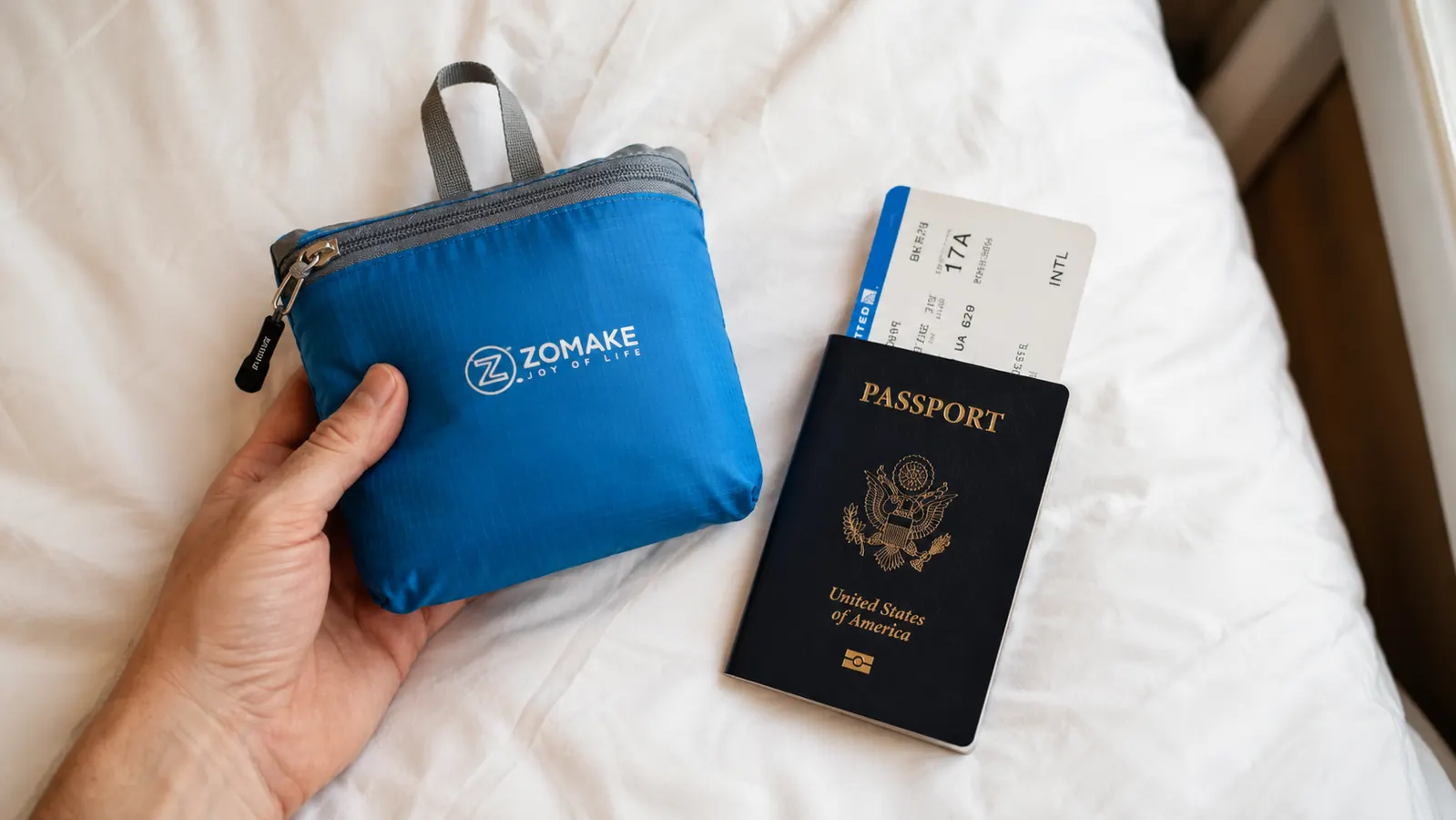
The ZOMAKE wins on portability, and it is not close. It packs into its own integrated stuff pouch, which is roughly the size of a thick paperback novel. I have tucked this thing into the front pocket of a personal item bag and completely forgotten it was there until I needed it. The Osprey folds down, yes, but it does not disappear in the same way. It needs a separate stuff sack or just gets rolled and crammed somewhere, which works fine but loses some of the convenience that makes packable daypacks worth having.
Capacity is the other area where the ZOMAKE clearly wins. Twenty liters is genuinely useful for a full day out: a change of clothes, a light jacket, a water bottle in each side pocket, sunscreen, your camera, snacks for a train ride. The Osprey Daylite runs 13 liters, which is fine for a minimalist day hike or a quick city errand but starts to feel tight when you are trying to carry any real volume. I have stuffed the ZOMAKE past what looked like its limit and it held together without complaint. The ripstop nylon is lighter than you would expect it to be for what it takes.
Price is the most obvious ZOMAKE advantage, but it deserves a little more context than just a raw number. If you are buying a packable daypack as a backup bag, something that lives inside another bag until you need it, spending $60 to $70 for a bag that sometimes gets left in a hotel room does not make a lot of sense for most people. The ZOMAKE costs about what you would pay for a decent airport meal. You can lose it, sit on it, leave it behind at a beach bar in Greece, and it is not a crisis. That kind of low-stakes peace of mind is genuinely valuable when you are traveling.
The ZOMAKE packs into a stuff pouch the size of a thick paperback. I have flown with it stuffed into a front pocket and forgotten it was there until I needed it at baggage claim.
Where the Osprey Daylite Wins
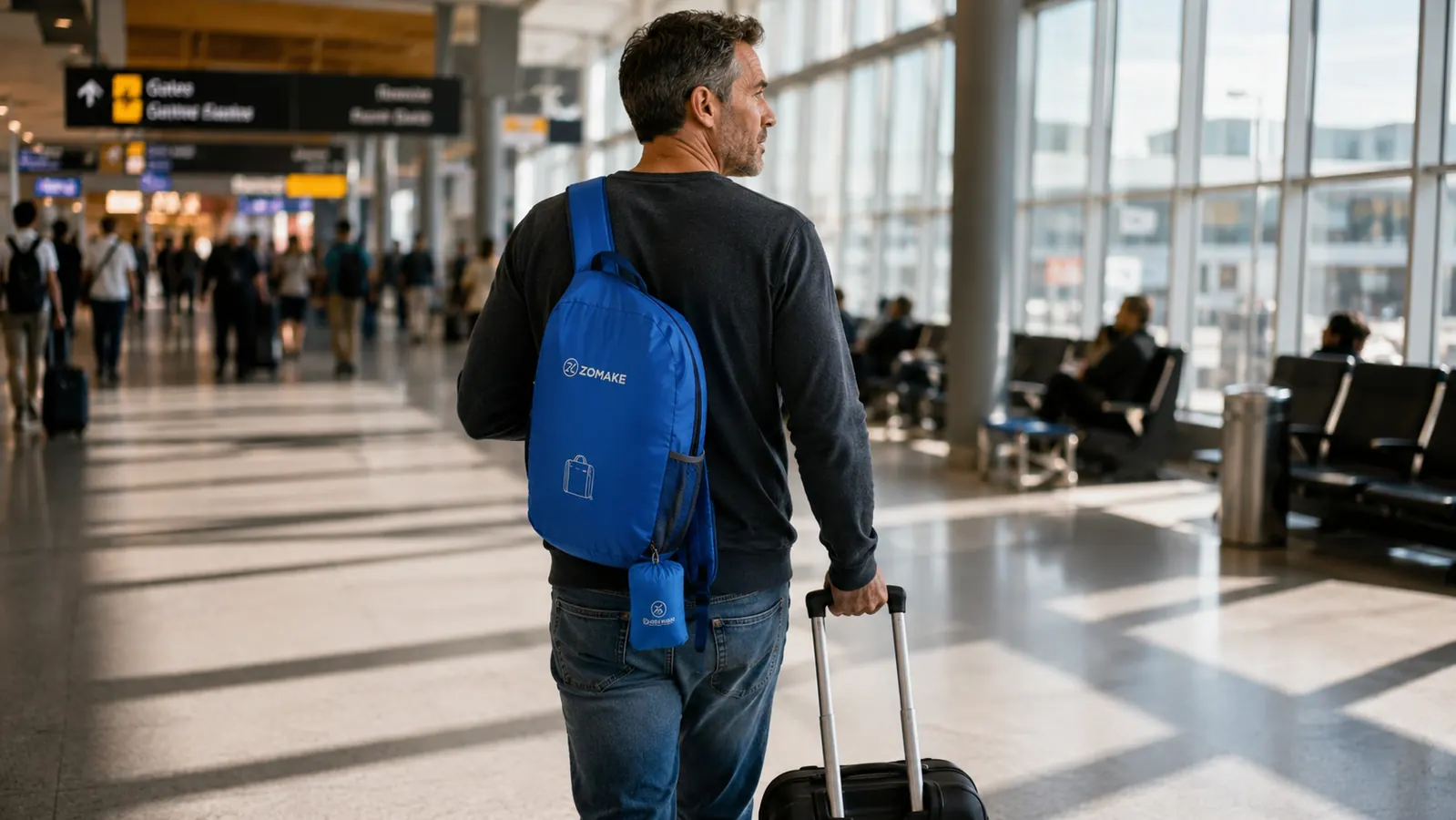
Comfort under load is where the Osprey earns its price. The mesh-padded shoulder straps and the suspended backpanel make a real difference if you are wearing the bag for six or eight hours straight. I used the Osprey Daylite on a long day hiking outside Sintra in Portugal, and even with the bag close to full, I barely noticed it on my back by mid-afternoon. The ZOMAKE's shoulder straps are thin and unpadded. They are fine for light loads and short stretches, but if you are carrying 15-plus pounds for a full day on foot, the ZOMAKE will start to remind you it is there in a way the Osprey will not.
Build quality and long-term durability also tilt toward the Osprey. Osprey has been making packs for decades and their construction tolerances show it. The zippers on the Daylite feel heavier and more deliberate than the ZOMAKE's hardware. The seams are reinforced in ways that matter after a few years of hard use. If you are someone who wants one packable daypack that lasts five or ten years of serious travel, the Osprey is the better investment even at the higher price. The ZOMAKE holds up well for what it is, but it is not built to the same standard and it does not pretend to be.
The packable daypack that fits in your palm and holds a full day's worth of gear
The ZOMAKE 20L packs into its own integrated pouch, weighs under nine ounces, and handles real travel load without complaint. Over 18,000 Amazon buyers have rated it 4.6 stars. Check whether it is in stock and see today's price before you go.
Amazon Check Today's Price on Amazon →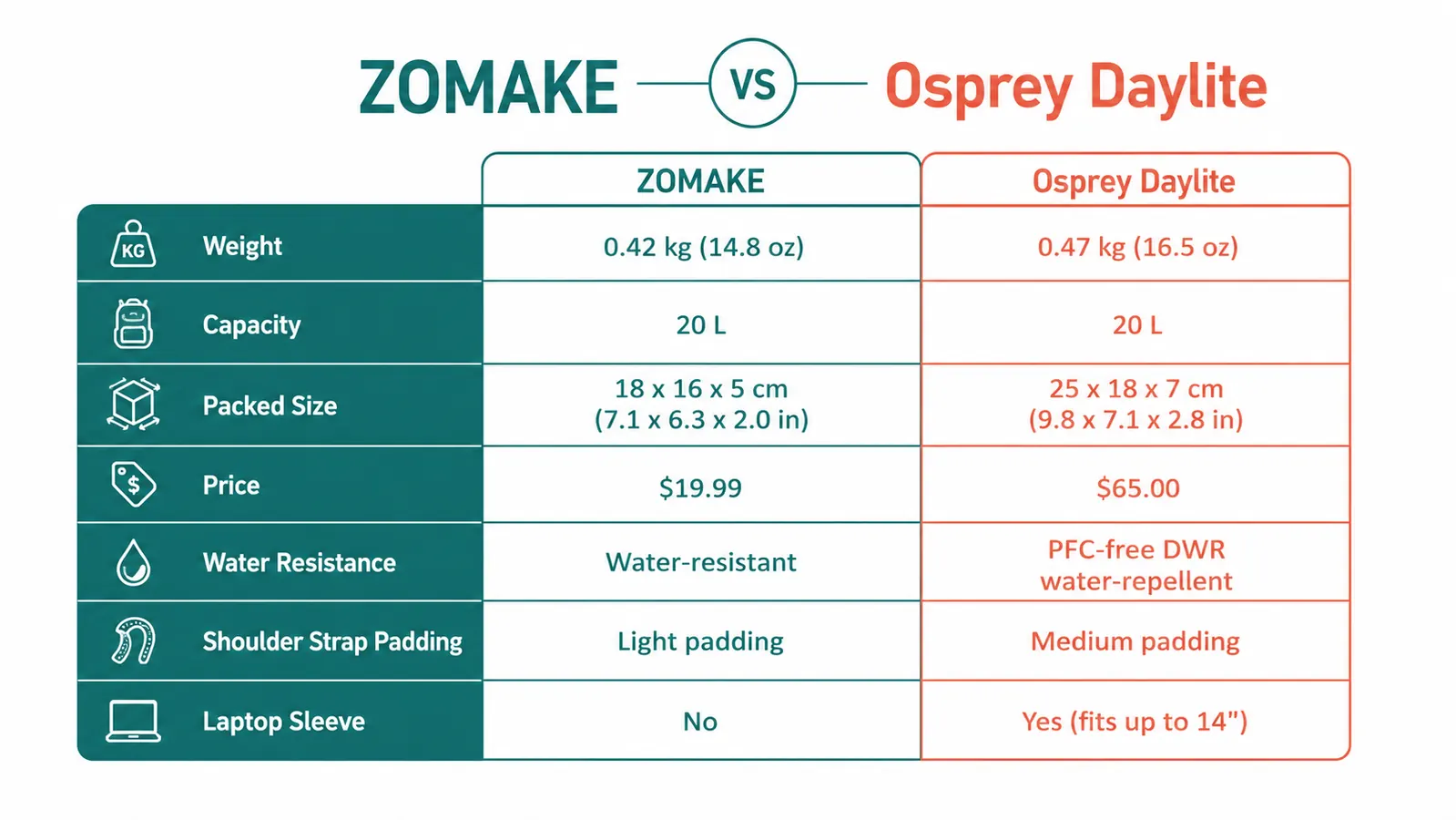
Durability in Practice: What Actually Happens After a Year
I want to be straight with you about the ZOMAKE's durability, because it is the area where a lot of budget gear fails and the place where reviews tend to be too optimistic. After consistent travel use across two years, my ZOMAKE shows surface scuffing on the bottom corners and one of the side mesh pockets has a small stretch in the elastic that was not there when I bought it. Nothing has torn, no zippers have failed, and the fabric itself has not developed any pilling or significant wear. For a bag at this price point, that is genuinely better than I expected.
The Osprey's reputation for durability is well earned. Their lifetime guarantee means you can walk into any Osprey dealer with a broken zipper or a worn shoulder strap and they will repair or replace it, sometimes years down the line. That is a real differentiator if you travel heavily enough that gear failure is a regular concern. For a traveler who takes four or five trips a year and treats gear carefully, the ZOMAKE will almost certainly outlast the typical purchase cycle before you are ready to replace it anyway. For someone logging 80 or more travel days a year, the Osprey's guarantee becomes more than a nice feature, it becomes actual insurance.
What Neither Bag Does Well
Neither of these packs is designed to carry weight in any serious or extended sense. The ZOMAKE has no frame, no hip belt, and no load transfer system. It is a daypack, not a hiking pack, and it will remind you of that the moment you try to use it like one. The Osprey Daylite is slightly better equipped for moderate loads thanks to its padded straps, but its 13-liter capacity limits how much weight you can put into it in the first place. If your goal is a multi-day hiking trip or a mountaineering adventure, neither of these belongs in your gear list.
Organization is also limited in both cases. Neither bag has a dedicated laptop sleeve, and both offer only minimal internal structure. The ZOMAKE has a main compartment, a small front zip pocket, and two side mesh pockets. The Osprey adds a small front organizer and hipbelt pockets, which are genuinely useful for phones and cards. But if you want a bag that helps you keep your items sorted and easy to find, you will still need packing pouches or a separate organizer inside whichever bag you choose. Both packs treat their job as moving your stuff from A to B, not organizing it for you.
Who Should Buy the ZOMAKE
The ZOMAKE is the right call for carry-on-only travelers who want a packable daypack as a secondary bag that lives inside their main luggage until they need it. If you are the kind of traveler who books a nonstop, packs light, and wants a backup bag for day trips and airport layovers without spending a lot of money on something you will not use every day, this is exactly the product for you. It is also the right answer if you tend to travel with a checked bag and want something you can pull out at your destination without caring what happens to it. The low price takes the stress off.
Who Should Buy the Osprey Daylite
The Osprey Daylite makes the most sense for travelers who are also occasional hikers, or people who plan to carry the bag heavily loaded for long active days. If you are doing a national park trip, a long city walking tour with a full camera kit, or a day excursion that requires carrying real supplies, the Osprey's comfort under load and better long-term durability justify the higher price. It also makes sense if you are the type of person who keeps gear for many years and uses Osprey's lifetime guarantee as a genuine part of the value proposition.
Who Should Buy Which
If your primary use case is travel, specifically using a packable daypack as a secondary bag that you unfold at your destination for day trips, market runs, and layover exploration, the ZOMAKE wins without much debate. More capacity, smaller packed size, lower price, and solid enough construction for the way most people actually use a backup bag. It handles the job that most travelers actually need a packable daypack to do.
If you want one bag that pulls double duty as a travel companion and a serious day hiking pack, and you are willing to pay for the comfort and durability that come with the Osprey name, then the Daylite is worth the premium. Just know that you are paying more for comfort, build quality, and a warranty, not for more space or better packability. Those last two categories belong to the ZOMAKE, and for pure travel use, they matter more.
Most travelers are better served by the ZOMAKE. Here is where to find it today.
The ZOMAKE 20L Packable Daypack is rated 4.6 stars by more than 18,000 buyers and comes in multiple colors. It packs into its own pouch, weighs under nine ounces, and fits inside a personal item with room to spare. See today's price and availability on Amazon.
Amazon Check Today's Price on Amazon →